Computing that turns knowledge into impact.

NPCA connects research, education, and technology to develop meaningful solutions for the Amazon and society.

About NPCA

One center, different perspectives on computing.

The Applied Computing Research Center brings together researchers from the campuses of the Federal Rural University of the Amazon and collaborators from partner institutions to advance applied computing research.

In collaboration with UFPA, UFAM, IFPA, Prodepa, Uninassau and other institutions.

Our research areas

  • Computational Intelligence
  • Computational Biology
  • Technology, Innovation and Education
  • Computer Networks
  • Agricultural Informatics
  • Health Informatics
  • Green Computing

Featured projects

Initiatives turning applied research into outcomes for the Amazon and society.

View all projects

Latest news

Follow research, events, and initiatives developed by NPCA.

View all news
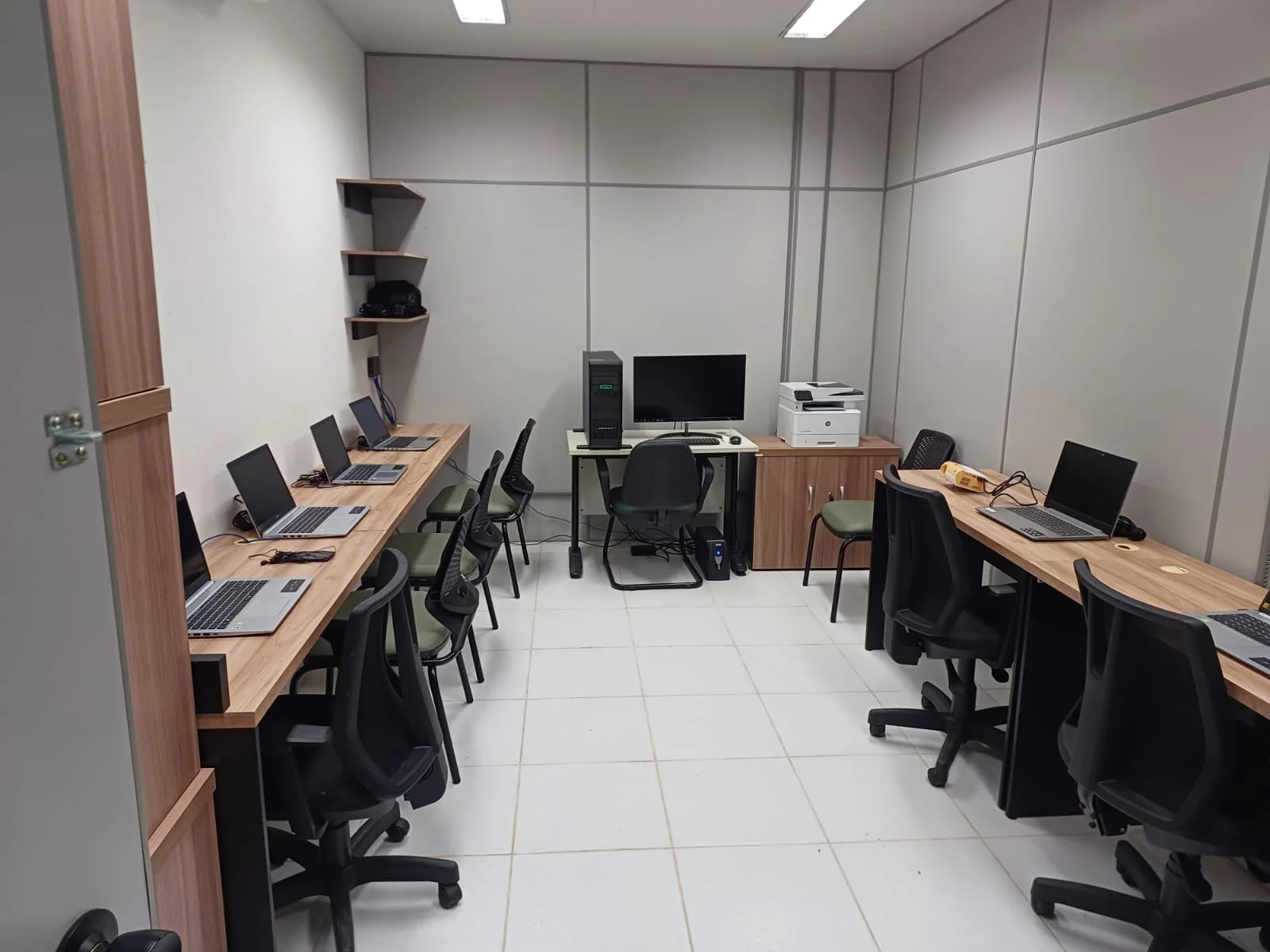
LabCompAp workspace with computers and workbenches

Research in practice

Applied Computing Laboratory

NPCA infrastructure for research in computational intelligence, bioinformatics, and computational biology at the Paragominas campus.

Paragominas campus, UFRA

Explore the laboratory

Past events

Meetings and activities from the research center’s journey.

View all events

Other

NPCA at the COP30 Tech Zone

LabCompAp/NPCA programme at the COP30 Tech Zone, featuring artificial intelligence projects for agriculture, health and flood monitoring.

Nov 10, 2025 – Nov 13, 2025, 14:00–18:00

In person · Tech Zone — Guamá Science and Technology Park, Belém, Brazil

CompletedView event

Conference

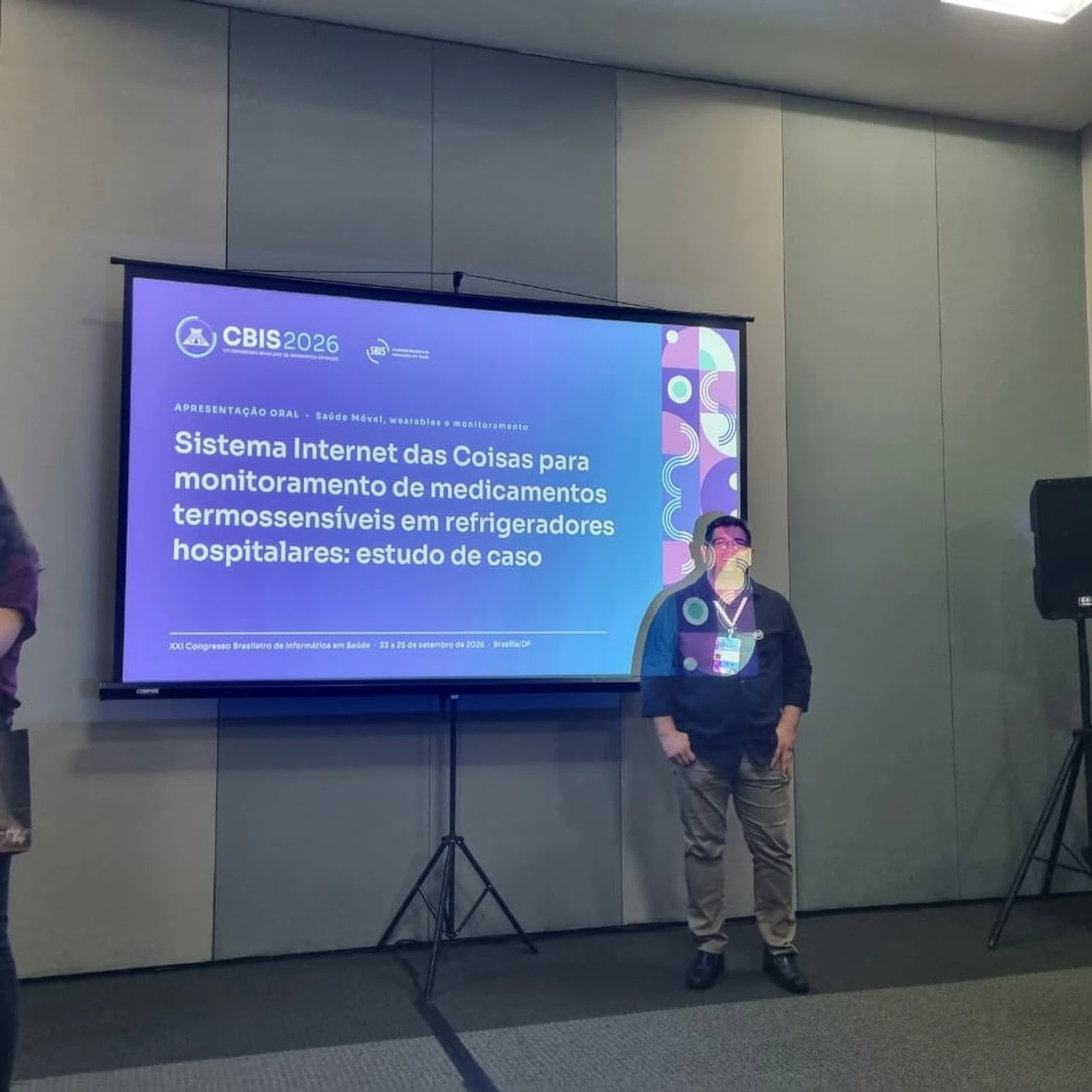
NPCA presents GOFEAT-AI at ISMB/ECCB 2025

Marcus Braga and Fabrício Araújo presented GOFEAT-AI in Liverpool, a generative artificial intelligence tool for functional annotation analysis.

Jul 20, 2025 – Jul 24, 2025

In person · ACC Liverpool, Liverpool, United Kingdom

CompletedView event

Recent publications

Articles, papers, and scientific outcomes produced by NPCA.

View all publications
2023

Classification of plantations from RPA images using deep learning

Luiz Henrique Dias Ramos, Maria Eliana da Silva Holanda, João Pedro dos Santos Verçosa, Gustavo Antonio Ruffeil Alves, Arthur Costa Falcão Tavares, Fabricio Almeida Araujo, Gilberto Nerino de Souza Junior, Marcus de Barros Braga

REVISTA OBSERVATORIO DE LA ECONOMIA LATINOAMERICANA Curitiba, v.21, n.12, p. 25917-25937. 2023.

Read abstract

In this study, we explored the application of Deep Learning techniques for the classification of coconut plantations from images collected by a Remotely Piloted Aircraft (RPA). A Convolutional Neural Network was used to create a model that classifies images into two categories: coconut and non-coconut. The model achieved an accuracy of 88%, concluding that Deep Learning techniques are viable tools for the identification of plants in large areas, with the potential to improve the management of agricultural crops.

2023

Deep learning framework for epidemiological forecasting: A study on COVID-19 cases and deaths in the Amazon state of Pará, Brazil

Gilberto Nerino de Souza Junior, Alícia Graziella Balbino Mendes, Joaquim dos Santos Costa, Mikeias dos Santos Oliveira, Paulo Victor Cunha Lima, Vitor Nunes de Moraes, David Costa Correia Silva, Jonas Elias Castro da Rocha, Marcel do Nascimento Botelho, Fabricio Almeida Araujo, Rafael da Silva Fernandes, Daniel Leal Souza, Marcus de Barros Braga

PLoS ONE 18(11): e0291138.

Read abstract

Modeling time series has been a particularly challenging aspect due to the need for constant adjustments in a rapidly changing environment, data uncertainty, dependencies between variables, volatile fluctuations, and the need to identify ideal hyperparameters. The present study presents a Framework capable of making projections from time series related to cases and deaths by COVID-19 in the Amazonian state of Para´, in Brazil. For the first time, deep learning models such as TCN, TRANSFORMER, TFT, N-BEATS, and N-HiTS were assessed for this purpose. The ARIMA statistical model was also used in post-processing for residual adjustment and short-term smoothing of the generated forecasts. The Framework generates probabilistic forecasts, with multivariate support, considering the following variables: daily cases per day of the first symptom, cases published daily, the occurrence of deaths, deaths published daily, and percentage of daily vaccination. The generated predictions are statistically evaluated by determining the best model for 7-day moving average projections using evaluating metrics such as MSE, RMSE, MAPE, sMAPE, r 2 , Coefficient of Variation, and residual analysis. As a result, the generated projections showed an average error of 5.4% for Cases Publication, 8.0% for Cases Symptoms, 11.12% for Deaths Publication, and 4.6% for Deaths Occurrence, with the N-HiTS and N-BEATS models obtaining better results. In general terms, the use of deep learning models to predict cases and deaths from COVID-19 has proven to be a valuable practice for analyzing the spread of the virus, which allows health managers to better understand and respond to this kind of pandemic outbreak.

2023

Projections of livestock production and pasture coverage area using ARIMA modeling with a hierarchical approach for the state of Pará and its regions.

Mikeias S. Oliveira, Rafael S. Fernandes, Marcio R. S. Melo, Daniel L. Souza, David C. C. Silva, Gilberto Nerino de Souza Junior, Marcus de Barros Braga

2023: ANAIS DO XIV WORKSHOP DE COMPUTAÇÃO APLICADA À GESTÃO DO MEIO AMBIENTE E RECURSOS NATURAIS

Read abstract

Livestock in the territory of Pará offers planning challenges for both the state and the private sector, with consequences of herd expansion impacting economic and socio-environmental variables. This article presents a study on livestock projections in terms of production and pasture coverage area using ARIMA (AutoRegressive Integrated Moving Average) modeling through the hierarchical approach. A short-term time series data analysis framework was developed, covering data referring to the state of Pará between the years 1985 to 2021, with projections until 2026. The results indicate an increase of 19% in the number of cattle and 1.5% in pasture areas in the state of Pará, revealing an increase in productivity in the Marabá region, as well as stabilization in the Redenção region.

Researchers

Meet the people advancing research, education, and innovation at NPCA.

View all researchers

Courses and tutorials

Classes, playlists, and educational resources from NPCA available on external platforms.

View all courses

Channel

Applied Computing Research Center

The Applied Computing Research Group (NPCA) at the Federal Rural University of the Amazon (UFRA) was created as a unifying force for the development of research in various areas of computer science, such as Computational Intelligence, Computational Biology, Technology, Innovation and Education, Computer Networks, Agricultural Informatics, as well as Health Informatics and Green Computing. Research professors from various UFRA campuses, as well as other external collaborators from partner institutions such as UFPA, IFPA, Uninassau, etc., concentrate their efforts in this direction.

Access content

Playlist

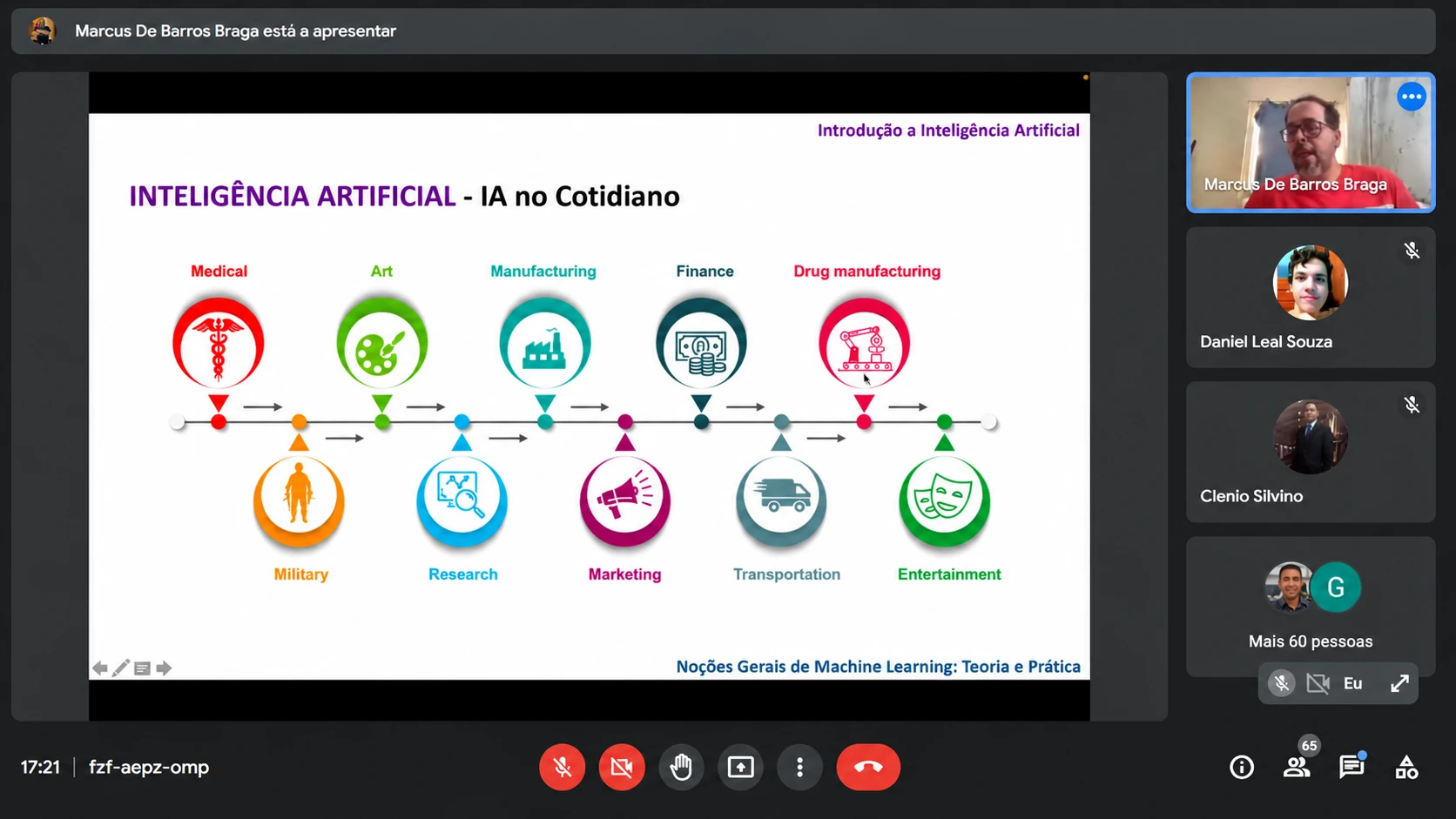
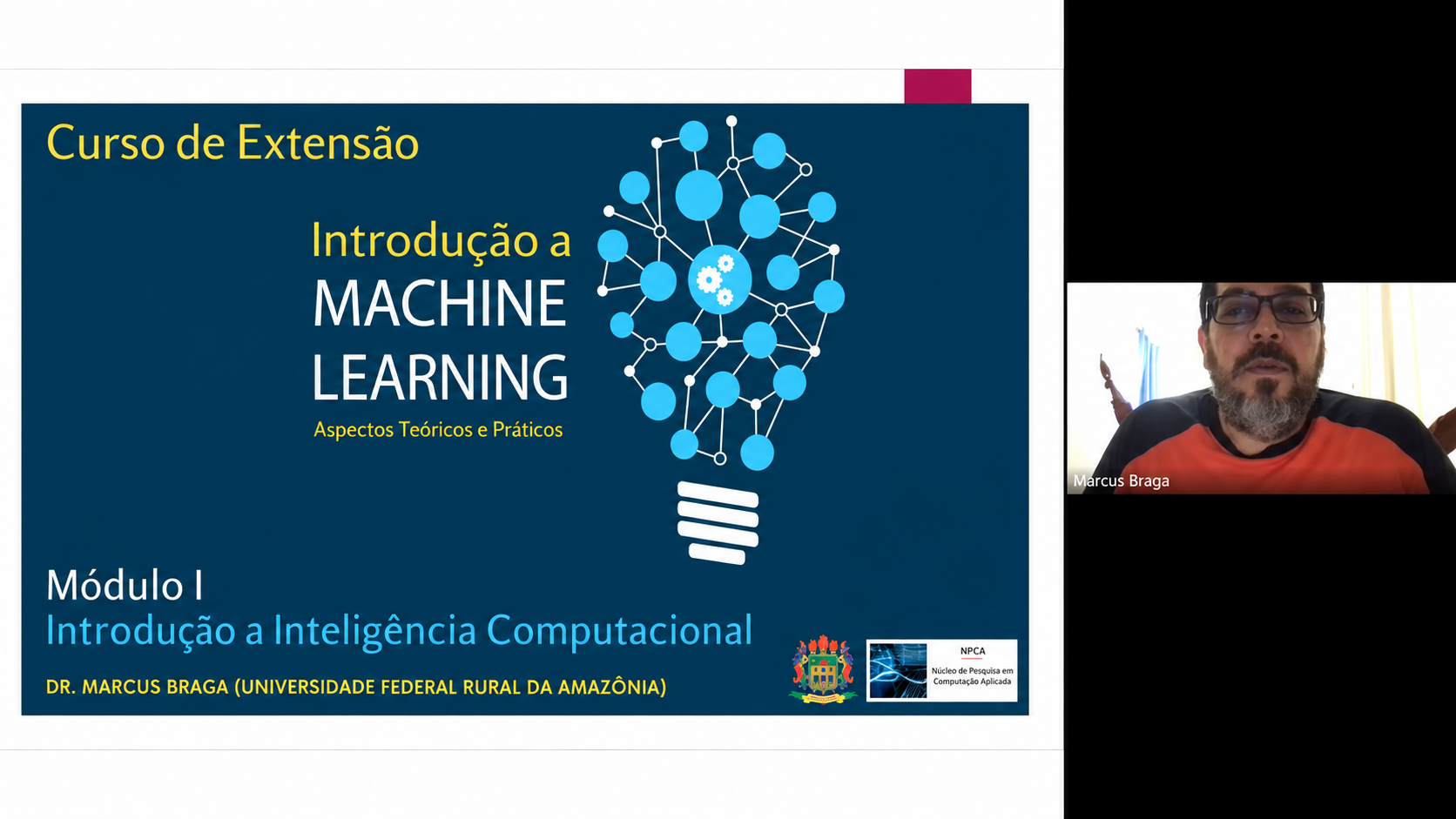
Artificial Neural Networks

About this content

Subject: Artificial Neural Networks Instructor: Dr. Marcus de Barros Braga COURSE CONTENT Unit I – Introduction. - Initial concepts. Biological Neuron. Artificial Neuron. Activation Functions. Hyperparameters. Unit II – Architectures. - Main Architectures. Machine Learning. Training. Unit III – Classical Neural Networks. - Perceptron. Multilayer Perceptron. Adaline. RBF. Hopfield. Kohonen. Unit IV – Deep Neural Networks. - Deep Learning. Deep Learning Algorithms. Unit V – Problems and Applications of ANNs. Federal Rural University of the Amazon Bachelor's Degree in Information Systems Research Center in Applied Computing

Access content